


Wrinkles show up as skin loses collagen and elasticity over time. RF microneedling combines tiny needles with heat energy to trigger new collagen growth, which can reduce the look of fine lines and wrinkles over a series of treatments. If you have tried creams and serums with little change, this treatment offers a different approach that works below the surface of your skin.
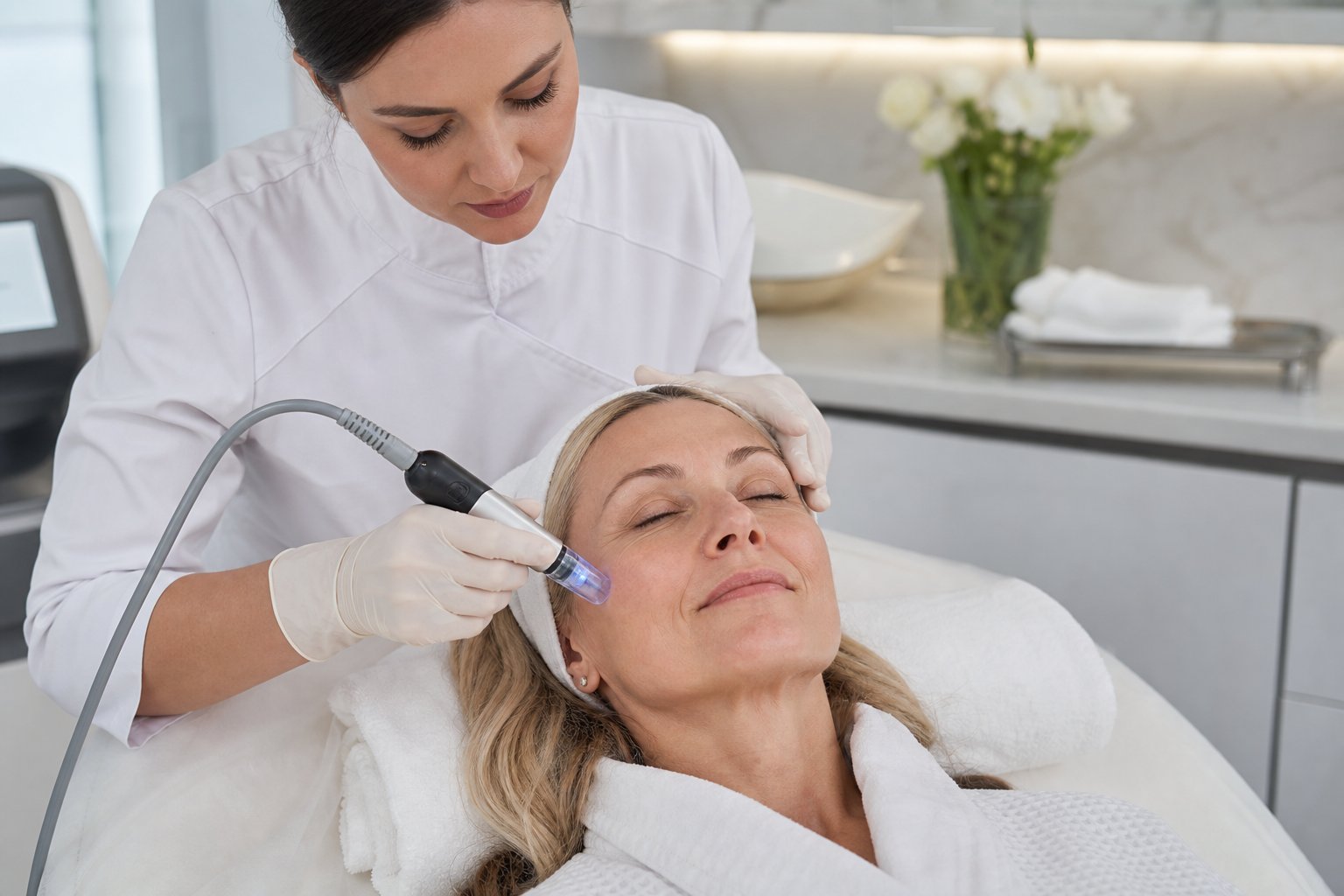
You may wonder how a treatment that uses both needles and heat can be safe and still deliver real results. The process sounds intense, but it is backed by research and used by dermatologists for a range of skin concerns. Understanding how it works can help you decide if it fits your skin goals and comfort level.
This article walks you through the full picture, from how the treatment works to what you can expect during recovery and long term results. You will also find guidance on cost, safety, and how this treatment compares to other options. By the end, you will have the facts you need to make an informed choice.
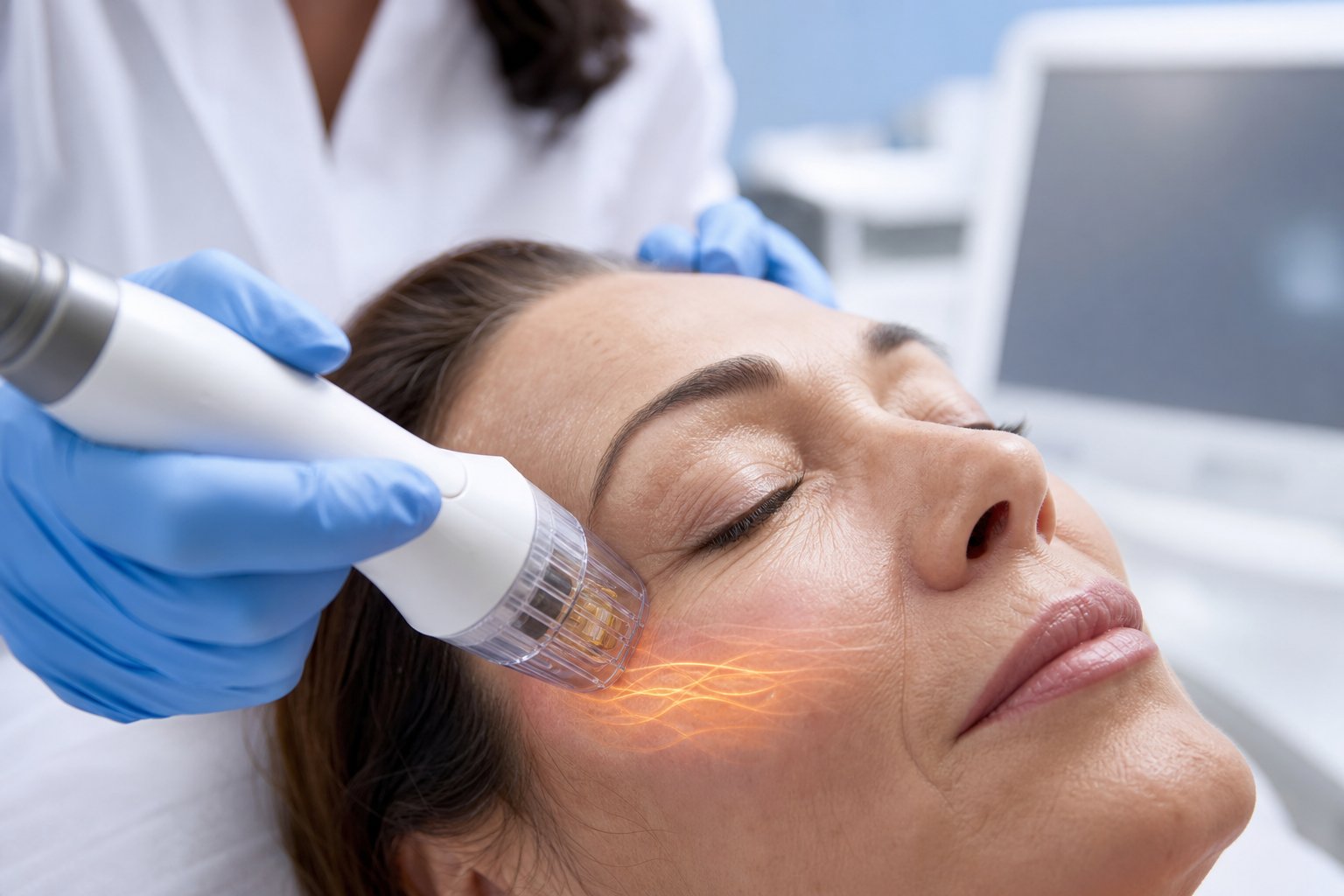
RF microneedling combines two separate actions in one treatment. Tiny needles create small channels in your skin, while radiofrequency energy heats the deeper layers to trigger repair.
When you get RF microneedling, a device with fine needles pierces your skin at a set depth. These needles create tiny channels that your dermatologist can adjust based on your skin type and the area being treated.
Each channel causes a small, controlled injury. This isn't random damage. The depth and pattern are precise, so your provider can target specific concerns like acne scars or fine lines.
These micro-injuries send a signal to your body. Your skin reads this as damage and starts its natural repair process. This is the first step that leads to smoother, tighter skin over time.
The needles alone don't cause major skin trauma. You'll likely see mild redness after treatment, similar to a light sunburn.
As the needles enter your skin, they also deliver radiofrequency energy to the dermis. This is the layer beneath your skin's surface where collagen and elastin are made.
The heat from this energy warms the tissue without harming the top layer of your skin. Your provider controls the temperature and depth to target the right layer for your goals.
This heat does more than the needles alone could do. It causes your body to break down old, damaged collagen and produce new collagen fibers. Your skin also makes more elastin, which helps with firmness.
This process takes time. Your results build gradually over several weeks as new collagen forms, which is why most people need multiple sessions to see full results.
RF microneedling works by combining tiny needle punctures with heat energy. This process triggers your skin to repair itself and build new collagen, which fills in lines and firms up loose areas.
Fine lines form when your skin loses collagen near the surface. RF microneedling targets this area directly by creating small channels that heat the upper layers of skin.
This heat signals your skin cells to produce more collagen and elastin. As new collagen builds over the following weeks, fine lines like crow's feet and forehead creases become less noticeable.
Your skin texture also improves. Many people notice smaller pores and a smoother feel after their skin heals.
This happens because the treatment tightens the tissue just below the surface. You won't see full results right away, since collagen takes time to rebuild, but changes often continue for several months after your session.
Deeper wrinkles, like nasolabial folds, form lower in the skin where collagen loss runs deeper. RF microneedling reaches this level by adjusting needle depth to deliver heat further below the surface.
This deeper heating has a stronger effect on skin firmness. It causes existing collagen fibers to tighten right away, which is why you may notice some firmness soon after treatment.
Longer-term results come from new collagen and elastin growth in the weeks that follow. This helps support sagging areas and reduces the depth of static wrinkles that show up even when your face is relaxed.
For deeper creases, you'll likely need multiple sessions spaced weeks apart to see the full effect.
RF microneedling works well for many skin types and skin tones. It can also treat several areas of your body, not just your face.
You are likely a good fit for RF microneedling if you have fine lines, mild to moderate wrinkles, or acne scars. This treatment also helps with uneven skin texture and early signs of sagging skin.
Your skin tone does not need to match a specific type. RF microneedling is safe for most skin tones, including darker skin, because the radiofrequency energy targets deeper skin layers instead of the surface.
You should have healthy skin that is free from active infections or open wounds. You should not be pregnant or nursing when you get this treatment.
If you want gradual, natural-looking results instead of instant change, this treatment fits your goals. It may not be the best choice if you have severe skin laxity or deep wrinkles, since those cases often need more intensive treatments.
You can use RF microneedling on more than just your face. Common treatment areas include:
Your provider will adjust the depth and energy settings based on the area being treated. Thinner skin, like around your eyes, needs lower settings than thicker skin on your body.
If you have loose skin on your neck or stretch marks on your body, this treatment can improve firmness and texture in those areas too. Your results will depend on the treatment area and your skin's condition before starting.
Your provider will pick a device and settings based on your skin type, wrinkle depth, and treatment goals. Two main factors shape your plan: how deep the needles go and how many sessions you need.
Needle depth changes based on where your wrinkles sit and how thick your skin is. Fine lines around the eyes need shallow depths, often around 0.5mm to 1mm. Deeper wrinkles on the cheeks or jawline may need depths of 2mm to 3mm.
Energy settings work the same way. Higher energy creates more heat in the deep layers of skin. This helps with tighter, more stubborn wrinkles but also means more downtime.
Your provider will test a small area first. This helps them find the right balance for your skin without causing extra redness or discomfort. Devices like Morpheus8 and Profound RF let providers adjust both depth and energy during the same session, so your treatment can target different areas differently.
Most people need three to four sessions to see full results. Your provider will space these sessions four to six weeks apart. This gap gives your skin time to build new collagen between treatments.
Mild wrinkles may respond well after just two or three sessions. Deeper lines or looser skin often need the full series, sometimes more.
After your initial sessions, many providers suggest maintenance treatments. These happen once or twice a year. They help keep results steady as your skin continues to age naturally.
Your provider will check your progress after each session. They may adjust the spacing or number of future treatments based on how your skin responds.
Knowing the steps of an RF microneedling appointment can help you feel more prepared and relaxed. From the first cleanse to the final pass of the device, each part of the process plays a role in your comfort and your results.
Your provider will start by cleaning your skin to remove makeup, oil, and dirt. This step helps the device move smoothly and work more evenly across your skin.
Next, a numbing cream is applied to the treatment area. You will usually wait 20 to 30 minutes for the cream to take effect.
This step is important because it lowers pain during the treatment. Your provider may check your skin before starting to make sure it is numb enough.
If you have any allergies to numbing agents, tell your provider before this step. They can adjust the product used to keep you safe and comfortable.
Once your skin is numb, your provider will use a handheld device with tiny needles. These needles create small channels in your skin and release radiofrequency energy at the same time.
You may feel:
Most people describe the feeling as mild to moderate discomfort, not sharp pain. The numbing cream helps keep this at a low level.
Your provider will move the device across your face in sections. The full treatment usually takes 20 to 45 minutes, depending on the size of the area being treated.
Afterward, your skin may look red or feel warm, similar to a mild sunburn. This is a normal response and should fade within a day or two.
RF microneedling causes short-term skin reactions that fade within days, but the real changes happen underneath your skin over the following weeks. Your aftercare routine plays a direct role in how fast you heal and how good your results turn out.
Right after treatment, your skin will look and feel like it has a mild sunburn. Redness, swelling, and warmth are normal and usually peak within the first 24 to 48 hours.
You may also notice small pinpoint marks or tiny scabs where the needles entered your skin. These are part of the healing process, not a sign of damage.
Most people see visible redness fade within 3 to 5 days. Some swelling, especially around the eyes or jawline, can last a bit longer.
Mild skin tightness, dryness, or flaking often shows up by day 3 or 4 as your skin starts to renew itself. Bruising is possible but less common with RF microneedling than with other needling methods.
Your skin barrier is weaker after treatment, so gentle care is key. Follow these basic rules for at least the first week:
Touching your face with unwashed hands raises your risk of irritation or infection. Stick closely to your provider's specific instructions, since aftercare can vary slightly by clinic and device settings.
RF microneedling triggers collagen production, but this process takes time to show on the surface. You likely won't see major changes right away.
Initial improvements in skin texture often appear within 2 to 4 weeks, as your skin finishes its surface healing. Deeper changes, like smoother lines and firmer skin, usually become noticeable between 4 and 8 weeks.
Full results typically build over 3 months, since collagen remodeling continues gradually during this time. Many providers recommend a series of 3 to 6 treatments spaced several weeks apart for the best outcome on wrinkles.
Results vary based on your skin condition, the device settings used, and how your body responds to healing. Maintenance sessions every few months can help sustain results long term.
RF microneedling is generally safe when done by a trained provider, but you should know the risks before you book an appointment. In October 2025, the FDA issued a warning about serious complications linked to certain RF microneedling devices, so it's worth talking to your provider about their training and equipment.
Most side effects are mild and go away within a few days. You may notice these common reactions:
The FDA has also received reports of more serious problems. These include scarring, burns, and infections. Some patients reported changes in skin texture that did not improve over time.
If you notice unusual pain, blistering, or signs of infection like pus or fever, contact your provider right away. Ask about their history of complications before your treatment.
Tell your provider about your full medical history before treatment. Certain conditions can raise your risk of complications.
You should mention if you have:
Pregnant women should avoid RF microneedling until after delivery.
Medications matter too. Blood thinners can increase your risk of bruising and bleeding. Isotretinoin, a common acne medication, can affect how your skin heals, so most providers ask patients to stop it for several months first.
Give your provider a full list of medications and supplements you take. This helps them decide if the treatment is right for you right now.
RF microneedling prices depend on your provider, location, and treatment area, and they usually cost more than standard microneedling because of the added technology. Compared to lasers, peels, and injectables, RF microneedling offers a different balance of cost, downtime, and results that you should weigh before booking.
A single RF microneedling session typically costs between $600 and $1,500, depending on where you live and who performs the treatment. Dermatologists and plastic surgeons often charge more than medical spas.
Several factors affect your final price:
Package deals can lower the per-session cost if you commit to multiple treatments upfront.
RF microneedling works differently than lasers, chemical peels, and injectables, and each option fits different needs and budgets.
TreatmentAverage Cost Per SessionDowntimeBest ForRF Microneedling$600–$1,5002–4 daysWrinkles, texture, mild skin laxityLaser Resurfacing$1,000–$3,0005–14 daysDeeper wrinkles, sun damageChemical Peels$150–$7001–7 daysSurface-level texture and toneBotox$300–$800NoneDynamic wrinkles from muscle movement
Lasers often produce stronger results for deep wrinkles but require more recovery time. Chemical peels cost less but work mainly on the skin's surface, not deeper structural issues.
Botox targets muscle movement rather than skin structure, so it doesn't improve texture or firmness the way RF microneedling can. Your choice depends on your wrinkle type, budget, and how much downtime you can accept.
RF microneedling raises common questions about cost, results, and safety. Here are clear answers to help you decide if this treatment fits your needs.
RF microneedling can improve fine lines and mild to moderate wrinkles. You'll likely see smoother skin texture and a boost in collagen over time.
The results are more subtle than surgery, but they come with less downtime and risk. If you want gradual improvement without major recovery time, this treatment offers good value.
Keep in mind that results vary based on your skin type and the severity of your wrinkles. Deep wrinkles or significant sagging may need additional treatments.
A single session typically costs between $600 and $1,500. The exact price depends on your location, the provider's experience, and the size of the treatment area.
Most people need three to six sessions for the best results. This means your total cost could range from $2,000 to $6,000 or more.
Ask your provider about package deals. Many clinics offer discounts if you book multiple sessions upfront.
Results typically last six months to a year. Your skin will continue producing collagen for several months after treatment, so improvements often peak around three months post-treatment.
To maintain results, you'll likely need touch-up sessions once or twice a year. Your skin's aging process, sun exposure, and skincare routine all affect how long results last.
Before your treatment, your provider will clean your skin and apply a numbing cream. This helps reduce discomfort during the procedure, which usually takes 30 to 60 minutes.
After treatment, you'll notice redness and swelling similar to a mild sunburn. This usually fades within two to three days.
Your skin may feel tight or sensitive for about a week. You'll need to avoid direct sun exposure and use gentle skincare products during this time.
Full results appear gradually over the next few months as your body builds new collagen.
Traditional microneedling creates tiny punctures in your skin to trigger collagen production. RF microneedling adds radiofrequency energy to this process, which heats the deeper layers of your skin.
This combination often produces stronger results for wrinkles and skin tightening. Traditional microneedling costs less and works well for surface-level concerns like texture and mild scarring.
If you have deeper wrinkles or loose skin, RF microneedling likely offers better results. For minor skin concerns, traditional microneedling may be enough.
Common side effects include redness, swelling, and mild bruising. These typically resolve within a few days after treatment.
Some people experience minor discomfort during the procedure, even with numbing cream. Rare risks include infection, scarring, or changes in skin color, especially if you have darker skin tones.
Choosing a licensed and experienced provider lowers your risk of complications. Always disclose your full medical history, including any skin conditions or medications, before treatment.
