


Frown lines, also called glabellar lines or "11 lines," are the vertical creases that form between your eyebrows from years of squinting, concentrating, and showing emotion. These lines can make you look tired, angry, or older than you feel, even when your face is relaxed. Botox has become the most common treatment for these lines because it addresses the root cause by relaxing the muscles that create them.
Botox works by temporarily blocking nerve signals to the muscles between your eyebrows, which smooths existing frown lines and prevents new ones from forming. The treatment uses small, precise injections placed in specific points across the glabellar area. Most people need between 16 and 24 units of Botox for this area, though your exact dose depends on your muscle strength and the severity of your lines.
This guide will walk you through everything you need to know about using Botox for frown lines. You'll learn how the treatment works, what to expect during and after your procedure, how long results last, and what risks to consider. Whether you're thinking about your first treatment or looking to understand the process better, you'll find straightforward answers to help you make an informed decision about achieving a smoother, more youthful appearance.
Frown lines form between your eyebrows due to repeated muscle contractions and natural aging. These vertical creases involve specific facial muscles in the glabella region that control your expressions.
Frown lines, glabellar lines, and 11 lines all refer to the same vertical wrinkles that appear between your eyebrows. The term "11 lines" comes from their appearance as two parallel vertical creases that look like the number eleven.
The glabella is the smooth area of skin between your eyebrows and above your nose. When wrinkles form in this region, they are called glabellar lines.
These lines develop when you make facial expressions like frowning, squinting, or concentrating. Over time, the repeated folding of skin in this area creates permanent creases. The terms are used interchangeably in both medical and cosmetic settings.
Three main muscles create frown lines in the glabellar region. Understanding these muscles helps explain how lines form and why treatment works.
The corrugator supercilii muscles pull your eyebrows inward and downward. These paired muscles run diagonally from the inner corner of each eyebrow toward the bridge of your nose.
The procerus muscle is a small pyramid-shaped muscle that sits between your eyebrows. It pulls your eyebrows downward and creates horizontal lines across the bridge of your nose.
The depressor supercilii works with the other muscles to pull your eyebrows down. This muscle sits along the upper part of your eye socket and contributes to the angry or concerned look that frown lines create.
Your facial expressions are the primary cause of frown lines. Every time you frown, squint, or concentrate, these muscles contract and fold the skin.
Natural aging reduces collagen and elastin in your skin. These proteins keep your skin firm and elastic. Without them, your skin cannot bounce back from repeated folding and creasing.
Sun exposure breaks down collagen faster and accelerates wrinkle formation. Smoking restricts blood flow to your skin and damages collagen fibers.
Genetics determine your skin type and how quickly you develop wrinkles. Some people form deep glabellar lines in their 20s, while others maintain smooth skin much longer.
Dynamic wrinkles appear only when you move your facial muscles. These lines show up when you frown or make expressions but disappear when your face is relaxed.
Static wrinkles remain visible even when your face is completely relaxed. These permanent creases form after years of repeated muscle movements and skin changes.
Frown lines typically start as dynamic wrinkles in your 20s or 30s. As you age and make the same expressions thousands of times, they become static wrinkles. The transition from dynamic to static happens gradually over several years.
Forehead lines often develop alongside glabellar lines from related muscle movements. Both types of wrinkles follow the same progression from dynamic to static as aging continues.
Botox injections use botulinum toxin to temporarily relax specific facial muscles that create frown lines. The treatment targets the corrugator supercilii and procerus muscle in the glabella area to reduce both existing wrinkles and prevent new ones from forming.
Botulinum toxin blocks the signals between your nerves and muscles. When your provider injects Botox into the muscles between your eyebrows, it stops these muscles from receiving the chemical messenger acetylcholine. Without this signal, the targeted muscles cannot contract with full force.
This process takes several days to complete. The botulinum toxin needs time to bind to nerve receptors and prevent the release of acetylcholine. You won't see results immediately after your injection.
The effects are temporary because your body gradually creates new nerve endings over time. These new pathways restore communication between your nerves and muscles. This is why Botox treatments need to be repeated every three to four months to maintain results.
Your provider will focus on two main muscle groups in the glabella. The corrugator supercilii muscles pull your eyebrows together when you frown. The procerus muscle runs vertically between your eyebrows and creates horizontal lines across your nose bridge.
Most providers use a standard five-point injection technique. This includes four injections targeting the corrugator supercilii muscles and one injection for the procerus muscle. Each injection typically contains four units of Botox for a total of 20 units.
Some providers use a simplified three-point approach that may reduce the risk of side effects. The injection sites are placed at the procerus muscle and at the points where each corrugator muscle bulges most when you frown.
You'll notice the first signs of improvement within two to three days after treatment. Your ability to create a deep frown will start to decrease as the botulinum toxin begins working. Dynamic wrinkles that appear when you make facial expressions will soften noticeably by days three to five.
Full results appear between seven and 14 days after your injection. Research shows that 80% of patients achieve mild or no frown lines at maximum frown by day 30. Static lines visible even when your face is relaxed will appear softer but may not disappear completely if they are deep.
Results typically last three to four months. About 24% of patients still show improvement at four months after treatment. Your muscle movement will gradually return as your body creates new nerve pathways.
The Botox procedure for frown lines follows a structured approach that includes mapping injection points, determining proper dosage, and administering treatment in specific muscle areas. Most treatments take 10-15 minutes and involve precise injections into the muscles that cause frown lines between your eyebrows.
Your provider will review your medical history and examine your frown lines during the initial consultation. This step helps identify any conditions that might affect treatment, such as neuromuscular disorders or allergies to Botox components.
The preparation phase includes cleansing the treatment area with alcohol and allowing it to dry completely. Your provider will ask you to frown and make facial expressions to identify the exact muscles causing the lines. This mapping process shows where the corrugator supercilii and procerus muscles are most active.
Some offices offer numbing cream to reduce discomfort, though most patients find Botox injections cause only minimal pain. You should arrive with clean skin, free of makeup in the treatment area.
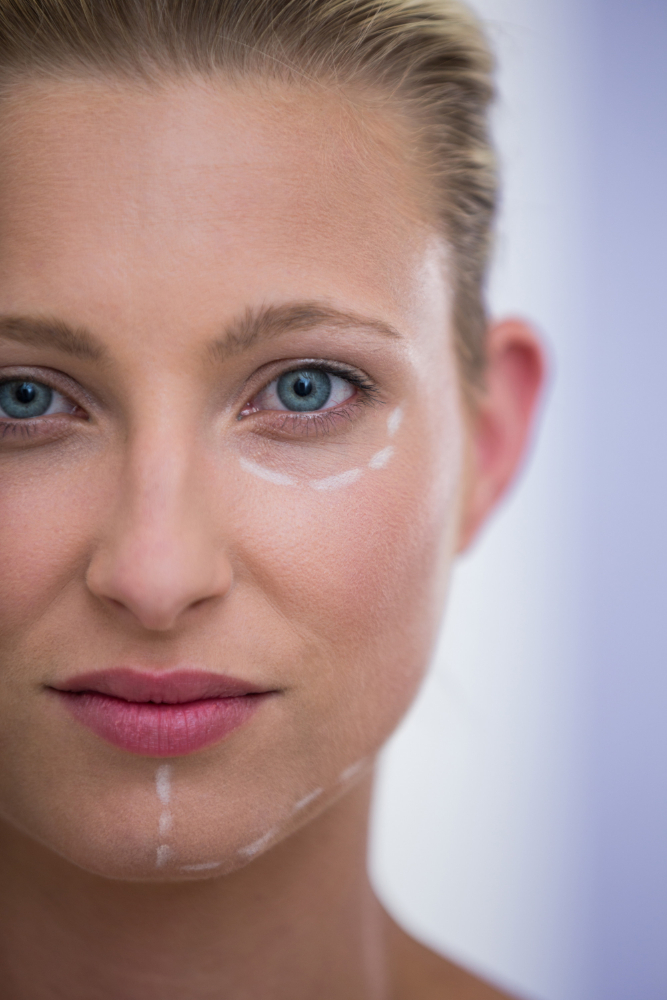
The standard technique uses a 5-point injection map in the glabellar area. Your provider places one injection in the procerus muscle at the center of your glabella, just above the nasal bridge. Four additional injections go into the corrugator muscles, with two points on each side of your face.
Each injection must be placed at least 1 to 1.5 cm above your orbital rim to avoid complications. The medial corrugator points are injected deeply, nearly to the bone, while the lateral points receive more superficial placement. Your provider uses a fine 30 to 32-gauge needle and injects small volumes at each site.
The entire injection process takes just a few minutes. You may feel a brief pinch or stinging sensation at each injection site, similar to a bug bite.
Most patients receive 20 units of Botox for frown lines, distributed as 4 units per injection point. Your specific dose depends on several factors, including muscle strength, gender, and the severity of your lines.
Typical dosing ranges include:
Your provider may start with a conservative dose and schedule a 2-week follow-up to assess results. Touch-up injections of 1-2 units can address any remaining movement without over-treating the area. This approach reduces the risk of side effects while achieving natural-looking results.
You can return to most normal activities immediately after your Botox treatment. However, you should avoid rubbing the injection sites, lying flat, or engaging in strenuous exercise for at least 4 hours after the procedure.
Skip facials, massage, or wearing tight headgear on treatment day. These activities could cause the Botox to spread to unintended muscles. You may notice small bumps or redness at injection sites, which typically disappear within an hour.
Results appear gradually over 3-5 days, with full effects visible at 14 days. Contact your provider if you experience unusual symptoms like eyelid drooping or difficulty swallowing. Most patients schedule follow-up treatments every 3-4 months to maintain smooth results between the eyebrows.
Botox for frown lines delivers visible smoothing of glabellar lines within days, with effects lasting several months before maintenance treatments become necessary. Beyond the physical changes, you'll experience both aesthetic improvements and emotional benefits from achieving a more relaxed appearance.
You'll start noticing improvements in your frown lines within 3-5 days after your Botox injection. The full results develop between 7-14 days as the botulinum toxin takes complete effect on the muscles between your eyebrows.
During this period, the treated area becomes progressively smoother. Your glabellar lines soften and the skin appears more relaxed. Most people can return to regular activities immediately after treatment.
The gradual onset means your results look natural rather than sudden. This timeline allows the neurotoxin to properly block nerve signals to the muscles that create frown lines.
Botox for glabellar lines typically lasts 3-6 months. As the medicine wears off, you'll notice your frown lines gradually becoming more visible again.
You'll need follow-up treatments to maintain your results. Many people schedule appointments every 3-4 months to keep their refreshed look consistent.
Over time, your muscles may become trained to contract less strongly. This can allow you to extend the time between treatments. Some patients find they need injections less frequently after receiving Botox regularly for a year or more.
The longevity of your results depends on factors like your muscle strength, metabolism, and the number of units used during treatment.
The primary aesthetic benefit is smoother skin between your eyebrows. You'll achieve a more youthful appearance without looking frozen or unnatural when done correctly.
Your face will appear less stern or angry at rest. This creates a refreshed look that many people find makes them appear more approachable and relaxed.
Beyond physical changes, you may experience improved confidence. Many patients report feeling better about their appearance in photos and during face-to-face interactions.
The treatment also prevents you from deepening existing lines through repeated muscle contractions. This preventive benefit helps maintain your youthful appearance over the long term.
Botox injections for frown lines have FDA approval and a strong safety record when administered correctly. Most side effects are mild and temporary, but selecting a qualified provider is essential to minimize complications.
The FDA approved botulinum toxin type A for cosmetic use in treating frown lines in 2002. This approval came after extensive testing showed the treatment was both safe and effective for reducing the appearance of wrinkles between the eyebrows.
Medical-grade Botox meets strict FDA control standards. The purified form used in cosmetic treatments is not harmful when a licensed provider administers it correctly. Over two decades of use have established a reliable safety profile.
Millions of Botox treatments are performed each year in the United States. The toxin works by blocking chemical signals that cause muscles to contract, and healthcare providers monitor its use carefully to maintain safety standards.
Common side effects after Botox injections include:
These reactions are usually mild and resolve on their own within a few days to weeks. You should not rub or massage the treated area for 24 hours after your appointment.
Rare but serious complications can occur if the toxin spreads beyond the injection site. Contact your provider immediately if you experience muscle weakness, vision problems, trouble speaking or swallowing, or breathing difficulties hours or weeks after treatment.
You should avoid Botox if you are pregnant or breastfeeding. Tell your provider if you take blood thinners, as you may need to stop them several days before treatment.
Botox is a prescription medicine that requires administration by a licensed healthcare professional. Your choice of provider directly affects both your safety and results.
Schedule your consultation with a qualified provider who has specific training in facial anatomy and injection techniques. Ask for a referral from your primary care doctor or verify credentials independently.
An experienced provider will:
Poor technique or incorrect placement can lead to unwanted results or complications. A skilled provider minimizes these risks through precision and knowledge of facial muscle structure.
Botox works by relaxing muscles that create frown lines, but other treatments address these wrinkles through different methods. Dermal fillers add volume beneath the skin, chemical peels improve texture, and combination approaches tackle multiple aging factors at once.
Dermal fillers work differently than Botox by adding volume beneath the skin rather than relaxing muscles. Hyaluronic acid fillers can smooth static frown lines that remain visible even when your face is at rest. These fillers physically fill the creases while attracting moisture to plump the skin.
Most providers recommend Botox as the primary treatment for frown lines between the eyebrows. Dermal fillers in this area require extreme caution due to the complex blood vessel network. Only highly experienced injectors should perform filler treatments in the glabella region because improper placement can lead to serious complications.
You might benefit from combining both treatments if you have deeply etched frown lines with both dynamic and static components. Botox addresses the muscle movement while hyaluronic acid fills the remaining creases. This combination approach typically costs more but provides more complete correction for severe lines.
The results from dermal fillers last 6-12 months depending on the specific product used. Your body gradually breaks down hyaluronic acid over time, requiring maintenance treatments to sustain results.
Chemical peels improve frown lines by removing damaged outer skin layers and stimulating collagen production. These treatments work on surface texture rather than the underlying muscle activity that creates the lines. Light peels might soften fine lines, but deeper frown lines typically require medium or deep peels for noticeable improvement.
You should understand that chemical peels alone cannot prevent new frown lines from forming since they don't affect muscle movement. They work best for improving skin texture and tone around existing lines. Most people need a series of treatments spaced several weeks apart to see optimal results.
Daily sunscreen use prevents further damage that deepens frown lines. UV exposure breaks down collagen and elastin, making existing lines worse and accelerating new wrinkle formation. Prescription retinoids can also improve frown lines by increasing cell turnover and boosting collagen production over several months of consistent use.
Medical-grade skin care products containing peptides, antioxidants, and growth factors support better skin quality but won't erase established frown lines on their own.
Combining Botox with other treatments often produces better results than any single approach. You might pair Botox injections with laser resurfacing to address both muscle activity and skin texture simultaneously. Radiofrequency treatments can tighten skin while Botox relaxes the underlying muscles.
Starting Botox in your late 20s or early 30s can prevent deep frown lines from forming. This preventive approach keeps muscles from creating permanent creases in the first place. Smaller doses used preventively cost less than treating established deep lines later.
Your lifestyle choices also impact frown line development. Managing stress reduces repetitive frowning, staying hydrated supports skin elasticity, and avoiding smoking prevents collagen breakdown. These preventive strategies work alongside professional treatments to maintain smoother skin between your eyebrows.
Microneedling combined with topical serums can improve skin texture around treated areas. This approach complements Botox by addressing surface concerns that neurotoxins cannot fix.
People considering Botox for frown lines often have similar concerns about dosing, injection technique, timeline, safety, results, and cost. These answers provide practical information to help you make informed decisions about treatment.
Most people need between 20 to 25 units of Botox to treat frown lines between the eyebrows. Your provider determines the exact amount based on the strength of your muscles and the depth of your lines.
Men often require more units than women because they typically have stronger facial muscles. If you have very deep lines or particularly strong muscles, you might need up to 30 units for effective results.
Your first treatment helps your provider assess how your muscles respond. Follow-up treatments may be adjusted based on these results.
Your provider typically uses five injection points to treat frown lines. Two injections go into each corrugator muscle on either side of your eyebrows, and one injection goes into the procerus muscle at the bridge of your nose.
These muscles work together to create the vertical lines between your eyebrows. The corrugator muscles pull your eyebrows inward and downward. The procerus muscle pulls down the center of your forehead.
Strategic placement of injections relaxes these specific muscles while keeping nearby muscles active. This approach maintains your natural facial expressions while softening the frown lines.
You may notice initial changes within 1 to 2 days after your Botox treatment. Full results typically appear around 7 to 14 days as the treated muscles completely relax.
The effects of Botox for frown lines usually last 3 to 4 months. Some people experience results that last slightly longer, while others may see the effects fade sooner.
Your results depend on factors like your metabolism, muscle strength, and lifestyle habits. You should wait at least 90 days between treatments to maintain safe and effective results.
The most common side effects include temporary redness, swelling, or bruising at the injection sites. These effects usually resolve within a few hours to a few days.
Headaches can occur after treatment but typically fade quickly. Some people experience temporary tenderness in the treated area.
Eyelid or brow droop happens in rare cases when the Botox spreads to unintended muscles. This side effect is temporary and resolves as the Botox wears off, usually within 2 to 4 weeks. Choosing an experienced provider significantly reduces this risk.
Your frown lines will appear noticeably softer and less pronounced after treatment. Deep creases often smooth out considerably, though very established lines may not disappear completely.
You will still be able to make facial expressions when your provider uses proper dosing and technique. Your face should look relaxed and refreshed rather than frozen or expressionless.
The goal is to reduce the angry or tired appearance that frown lines can create while maintaining your natural look. Most people find that others notice they look more rested without being able to identify that they had a cosmetic treatment.
Botox for frown lines typically costs between $200 and $500 per treatment session. The total price depends on the number of units you need and the pricing structure your provider uses.
Some practices charge per unit, with rates ranging from $10 to $20 per unit. Others offer flat rates for treating specific areas like the frown lines.
Geographic location affects pricing, with providers in major cities often charging more than those in smaller markets. The experience level and qualifications of your provider also influence cost. Board-certified dermatologists and plastic surgeons may charge higher rates than other practitioners.
